


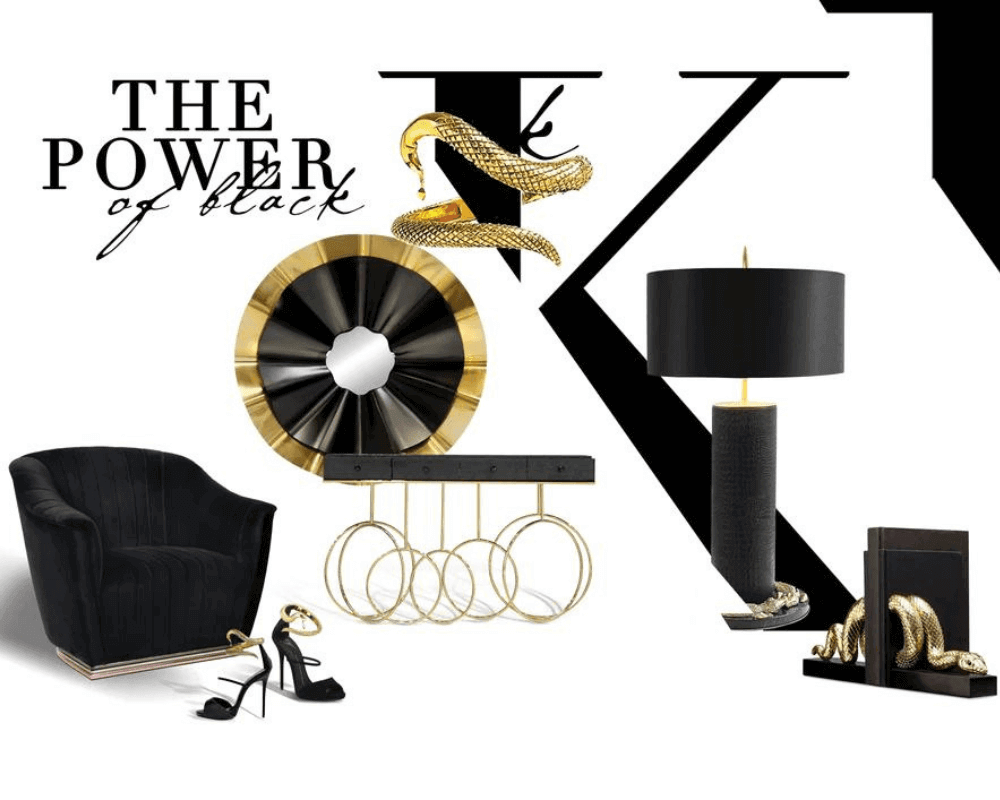
Mood boards are an essential tool for any interior designer, whether you’re working on a personal project or collaborating with a team or client. They allow you to visually communicate the overall design concept and aesthetic of a space, narrow down your design choices, stay within your budget, stay on track, and communicate your ideas to others.
In this blog post, we’ll delve deeper into the importance of mood boards and how they can help you bring your design ideas to life.
Why are Mood Boards important when designing a room?
Mood boards are a visual representation of the overall design concept and aesthetic of a room. They allow you to see all of your design elements in one place, including colour palette, furniture, textiles, art, and other decor. This can help you determine if everything is cohesive and on-brand, meaning that all of the elements work together to create a cohesive and visually appealing space.
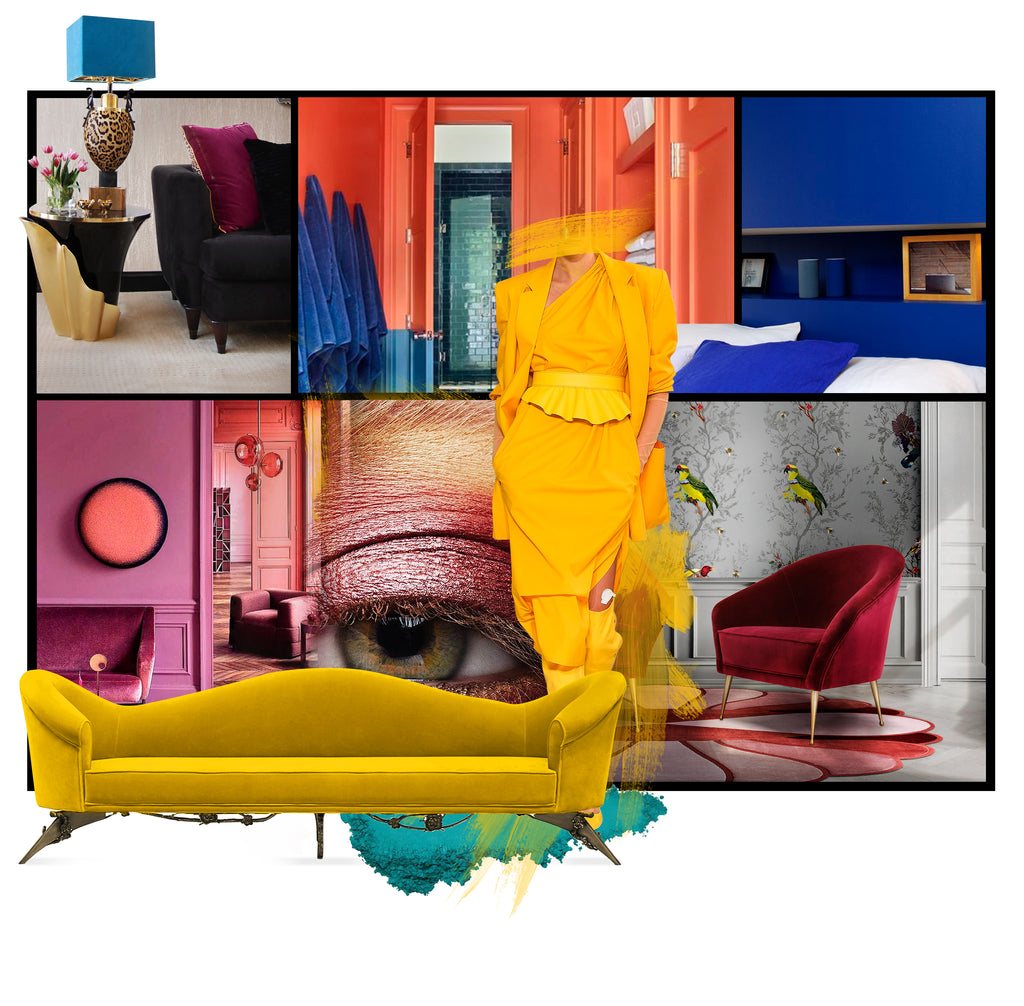
For example, let’s say you’re designing a living room and you’ve chosen a neutral colour palette with pops of red and gold accents. A mood board would allow you to see all of these elements together, so you can make sure that the red and gold accents complement the neutral colours and don’t clash with them. It can also help you ensure that the overall aesthetic of the room is cohesive and consistent with your personal style and the style of the rest of your home.
2. Overall, mood boards are a useful tool for visually communicating the design concept and aesthetic of a space and ensuring that all of the elements work together to create a cohesive and visually appealing room.
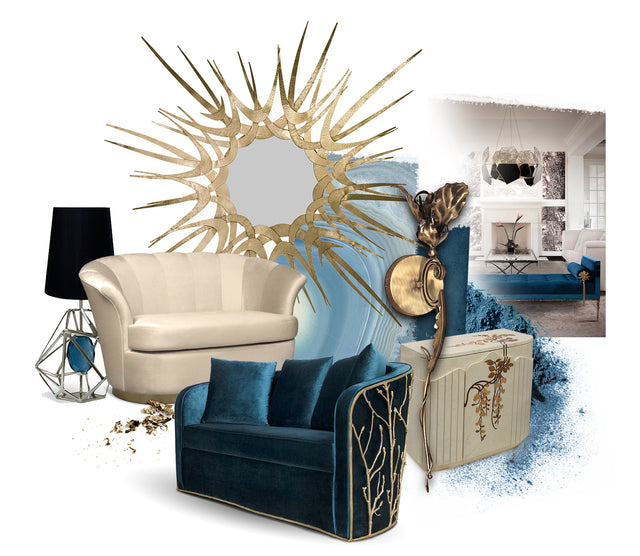
3. Mood boards can help you narrow down your design choices and make decisions more efficiently by allowing you to see all of your ideas in one place. When designing a room, it’s easy to get overwhelmed by all of the different options available, whether it’s choosing paint colours, furniture, or decor. A mood board allows you to compare and contrast different options and choose the ones that best fit your vision for the space.
For example, let’s say you’re designing a bedroom and you’re considering several different bedding options. A mood board would allow you to lay out all of the options in one place and see how they look together. This can help you eliminate options that don’t fit with your overall design concept and make a more informed decision about which bedding to choose.
Overall, mood boards can help you make design decisions more efficiently by allowing you to see all of your ideas in one place and compare and contrast different options. This can save time and help you avoid design overwhelm by streamlining the decision-making process.
4. Mood boards can help you stay within your budget by allowing you to see all of your design elements in one place and understand how much each element costs. When designing a room, it’s easy to get carried away and add more elements than you can afford. A mood board allows you to see the total cost of all of your design elements at a glance, which can help you make adjustments as needed to stay within your budget.
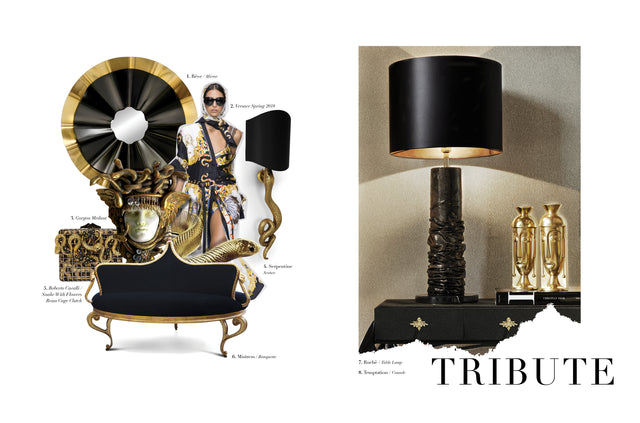
For example, let’s say you’re designing a living room and you have a budget of $5,000. A mood board would allow you to see all of the furniture, decor, and other elements you’ve chosen, along with the cost of each element. This can help you determine if you need to make any adjustments, such as choosing less expensive furniture or eliminating some elements altogether, in order to stay within your budget.
Mood boards are a helpful tool for staying within your budget by allowing you to see the total cost of all of your design elements in one place and make adjustments as needed. This can help ensure that you don’t overspend and that your design project stays on track financially.
6. Mood boards can help you stay on track and avoid design overwhelm by allowing you to see all of your ideas in one place and keeping you focused on your goals. When designing a room, it’s easy to get sidetracked by too many options or to lose sight of your overall vision. A mood board allows you to see all of your design elements in one place and stay focused on your goals for the space.
For example, let’s say you’re designing a bedroom and you have a specific theme in mind, such as a beachy, coastal aesthetic. A mood board would allow you to see all of the elements you’ve chosen that fit with this theme, such as beachy-themed artwork, nautical-inspired bedding, and sea-glass-coloured accents. This can help you stay on track and avoid getting sidetracked by elements that don’t fit with your overall vision for the space.
Overall, mood boards are a useful tool for staying on track and avoiding design overwhelm by allowing you to see all of your ideas in one place and keep your focus on your goals for the space.
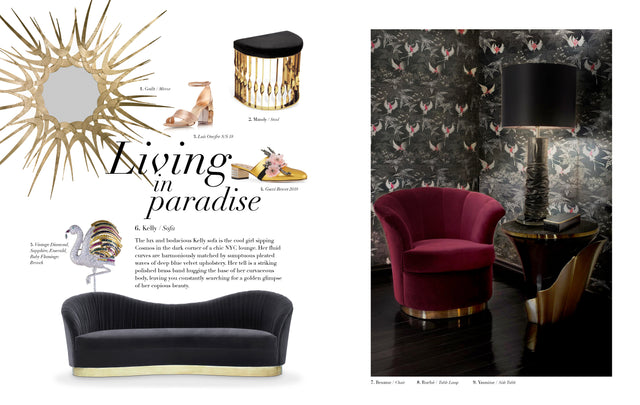
7. Mood boards can be a helpful tool for communicating your design ideas to others, such as a design team or a client. They provide a clear visual representation of your vision for the space, which can help ensure that everyone is on the same page and working towards the same goals.
For example, let’s say you’re working with a design team to create a restaurant interior. A mood board would allow you to show the team your vision for the space, including the overall aesthetic, colour palette, and key design elements. This can help ensure that everyone is on the same page and working towards the same goals, rather than going in different directions with their designs.
Similarly, if you’re working with a client to design a space, a mood board can be a helpful tool for communicating your ideas and ensuring that the final design meets their expectations. By providing a clear visual representation of your vision, you can help the client understand what the space will look like and ensure that they are happy with the final result.
Overall, mood boards are a useful tool for communicating your design ideas to others and ensuring that everyone is working towards the same goals.
Explore our Mood Boards for some Designer Inspiration here: https://www.galleryfurniture.com.au/pages/mood-board
Leave a Reply